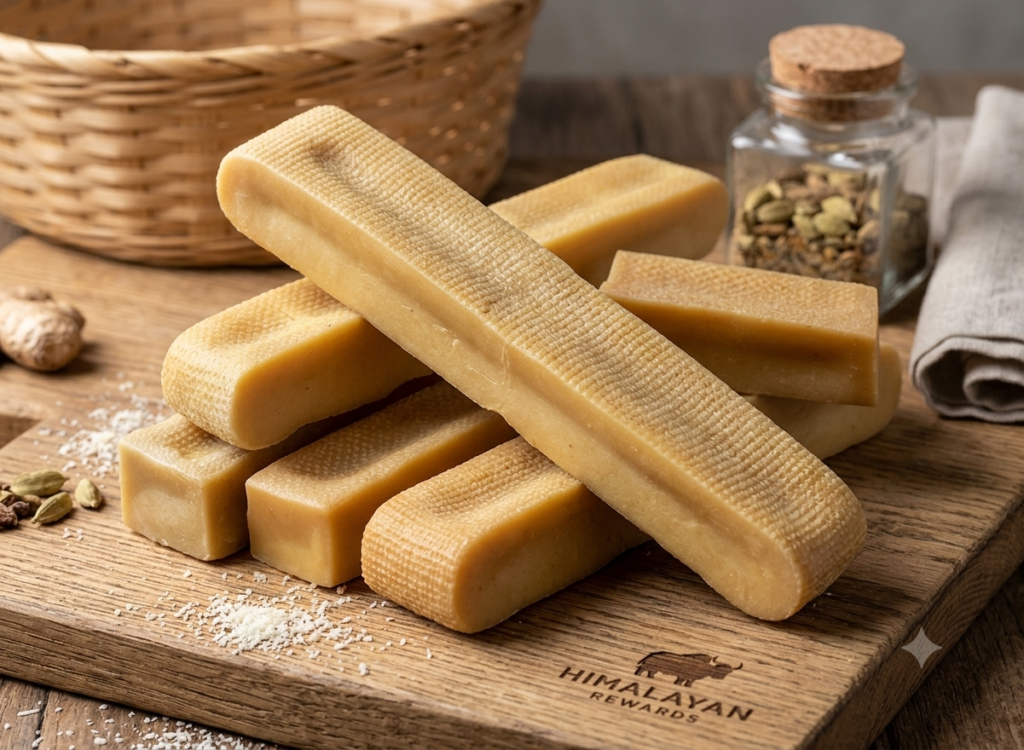
Pet parents everywhere are moving away from processed rawhides and chemical treats. Instead, they are turning to authentic mountain alternatives. If you are exploring the world of hard Himalayan cheese treats, a common question arises. Can a hard yak chew break a dog’s teeth?
Given that these traditional blocks feel as solid as stones, this is a completely valid concern for any protective pet owner. You want to keep your dog happy, but you do not want an expensive surprise visit to the veterinary dentist.
The short answer is that for the vast majority of healthy adult dogs with strong jaws, a premium yak chew is entirely safe. In fact, it acts as an exceptional natural toothbrush. However, dental safety always comes down to understanding your dog’s distinct chewing personality, their age, and the quality of the product you provide. If you’re introducing a yak chew to a young dog, read our guide on What Excat Age a Puppy can Safely Enjoy an Original Yak Chew, to learn when it’s appropriate to start and how to introduce it safely.
How a Yak Chew Interacts with Canine Teeth?
When an aggressive chewer interacts with an authentic original block, they are not snapping off massive chunks. The process is much more gradual than that.
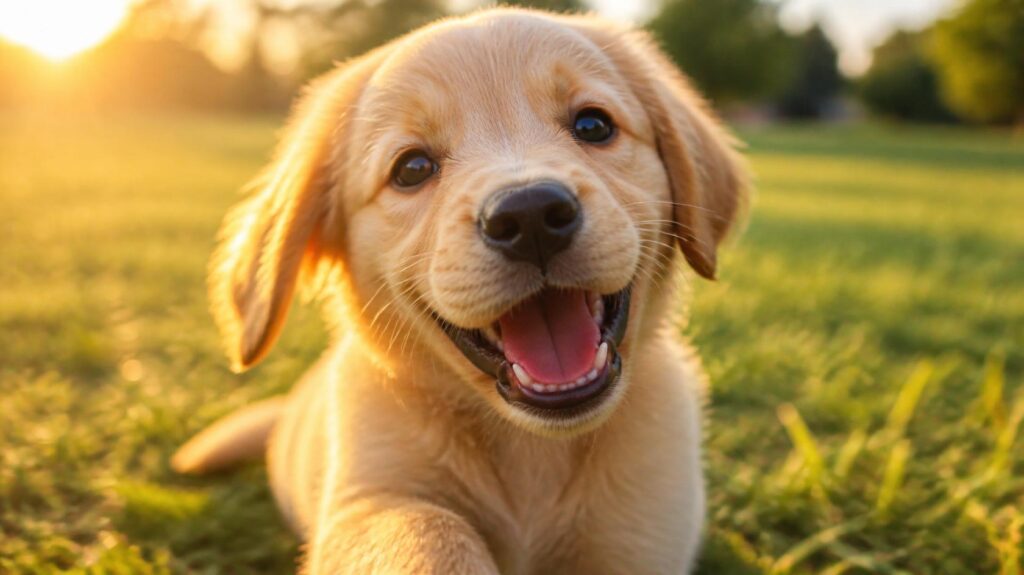
Your dog’s warm saliva slowly softens the outer edges of the hardened cheese block. As the dog continuously scrapes their teeth against these softened edges, the natural friction acts like an organic eraser. This gentle scraping wipes away plaque accumulation and tartar buildup down to the gum line before it can harden into serious dental disease.
Because the cheese wears down in tiny flakes, it cleans the teeth beautifully without exposing the enamel to sudden, sharp impacts. It provides the mechanical scraping action that dogs need to keep their mouths clean without the dangers associated with synthetic plastic bones.
The True Density of Himalayan Cheese
To understand the safety of these treats, it helps to look at how they are made. Authentic Himalayan cheese is not like the soft dairy you find in your local grocery store. It is a traditional recipe made from pure mountain milk that is boiled and pressed tightly for days.
Once the liquid is pressed out, the cheese is smoke dried for several months. This long process removes almost all the moisture from the block. The lack of water is what makes the final treat so incredibly dense and durable.
While this density makes the treat long lasting, it also means the block does not give or bend when your dog bites it. This is why you must understand your dog’s specific mouth health before introducing a new treat.
Three Rules for Total Dental Safety
To ensure your dog gets all the dental benefits of a yak chew without any structural risks to their enamel, follow these three simple guidelines.
1. Check the Age and Health of Your Dog
Do not give rock hard cheese blocks to puppies under four months old who still have delicate baby teeth. You should also avoid giving them to senior dogs who have underlying gum disease, loose teeth, or fractured enamel. Healthy adult teeth handle the dense texture easily, but fragile teeth need softer alternatives.
2. Monitor Their Personal Chewing Style
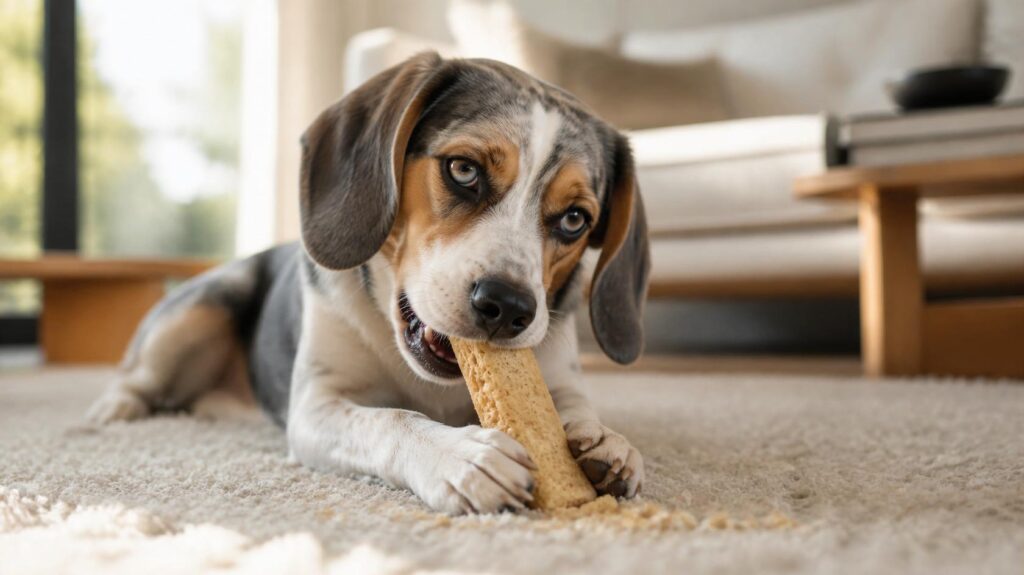
Healthy chewing involves gnawing patiently from the side of the mouth using the strong back molars. If your dog is an aggressive crusher that tries to forcefully crack the bar in half with their front teeth, you should watch them closely. Teach them to slow down, or hold the bar for them so they learn to scrape instead of crunch.
3. Use the Simple Softening Shortcut
If you feel a specific yak chew is slightly too dense for your dog’s comfort, you can fix it in your kitchen. Submerge the bar in a bowl of boiling water for three to five minutes. This quick trick softens the outer shell slightly, giving your dog a much safer and softer starting point.
The Danger of Brittle Factory Alternatives
Structural dental safety is determined directly at the source. If a cheese block is dried too fast in an industrial factory using modern machines, the protein fibers do not bond correctly. The treat becomes brittle and develops tiny internal cracks.
When a dog bites into a brittle treat, the block can snap unevenly. This creates sharp edges that can cut your dog’s gums or puncture the roof of their mouth. Cheap factory seconds often cost less, but they pose a much higher risk to your pet’s safety.
At Original Chews, we manage our safety directly within our traditional dairy cooperatives in Nepal. Local farmers slowly smoke cure our hand pressed cheese blocks over local hardwoods for five months at extreme high altitudes. This patience allows the protein fibers to weave together uniformly.
We maintain moisture levels strictly below twelve percent. This eliminates internal brittleness while keeping the treats fresh naturally. The result is a solid yak chew that wears down safely and smoothly under your dog’s saliva.
Comparing Dental Safety Across Common Dog Chews
When deciding what to buy, it is helpful to look at how a Himalayan cheese treat compares to other popular items on the market.
Animal Bones
Real animal bones are a major cause of fractured teeth in dogs. They are completely unyielding and can easily break a tooth if a dog chomps down with force. Bones can also splinter into sharp shards that risk tearing the stomach lining. Antlers carry similar concerns because of their extreme hardness. If you’re deciding between these options, read our clinical comparison on Antlers versus Yak Chew to understand why many owners choose Himalayan cheese chews instead. A yak chew is much safer because it gradually wears down and softens with saliva rather than splintering.
Synthetic Nylon Chews
Hard plastic and nylon toys do not wear down naturally. They often develop sharp plastic burrs as your dog chews them. These burrs can cause micro tears in your dog’s gums. They also offer zero nutritional value.
Dehydrated Bully Sticks
Bully sticks are softer and highly digestible, but they do not last very long for aggressive chewers. They can also be very high in calories and fat. A premium Himalayan treat provides the perfect middle ground by offering long lasting durability with low fat content.
Zero Waste Safety at the End
When your dog works the yak chew down to a small, one inch stub, it is time to take it away. Leaving a small piece around is a choking hazard, and trying to crunch a small block can put unnecessary pressure on the front teeth.
You can easily recycle these smaller blocks into safe, crunchy options without harming enamel. Check out our safe microwave guide to see how to puff up your leftover yak chew piece into a crispy cheese cracker.
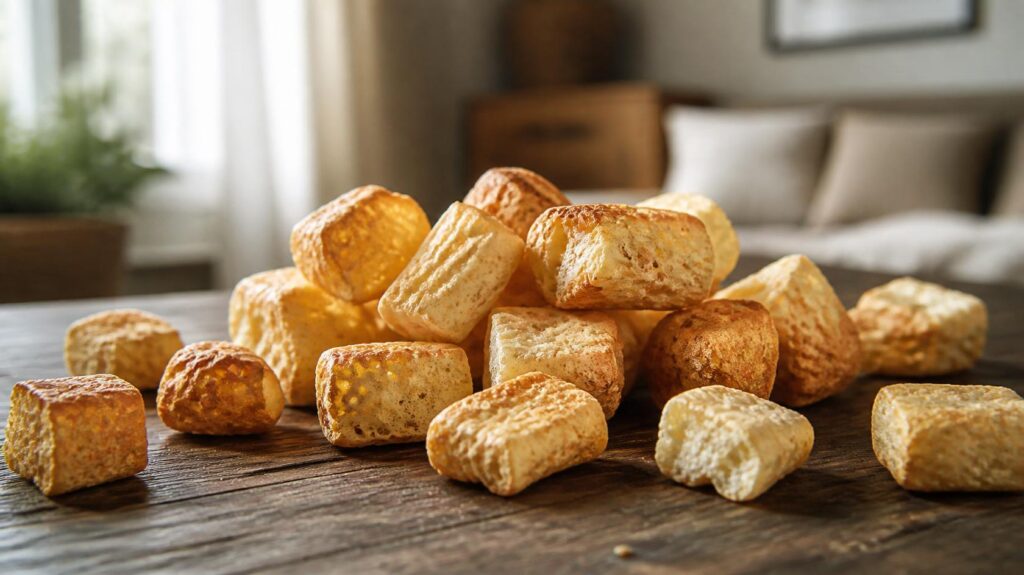
The heat of the microwave causes the remaining water molecules to expand rapidly. This turns the rock hard cheese into a light, airy cloud that breaks apart instantly when your dog bites it. It is the ultimate way to enjoy a zero waste treat safely. To know more, read our guide on how to microwave small piece of yak chew into light airy puffed chew.
Upgrade Your Dog’s Chewing Routine
Your dog deserves a long lasting treat that protects their health, satisfies their instincts, and cleans their smile naturally. A premium yak chew gives you the peace of mind you want and gives your pup the rich flavor they crave.
Frequently Asked Questions (FAQs)
1. Is a yak chew too hard for a golden retriever?
No, a healthy adult golden retriever can handle this treat perfectly. Their jaws are naturally strong, and they excel at scraping the cheese down slowly. Just ensure you select our large size block so they cannot accidentally swallow it whole.
2. Can a dog split their tooth on a hard cheese treat?
While rare, a dog can split a tooth if they try to aggressively crush the bar with their front teeth rather than chewing from the side. Always monitor your dog’s chewing style to ensure they use their back molars to grind the treat down gently.
3. What makes a yak chew safer than an animal bone?
Animal bones can splinter into sharp, dangerous shards that cut the stomach or fracture teeth. A yak chew never splinters. It only dissolves into soft, fully digestible flakes when mixed with your dog’s warm saliva.
4. How can I tell if a yak chew is too brittle?
If you see deep visible cracks running through the center of a new block, it may be too brittle. A premium yak chew should have a smooth, solid surface that feels dense and uniform all the way through.
5. Can dogs with missing teeth still enjoy this treat?
If your dog is missing a few front teeth but has healthy back molars, they can still enjoy the treat. If they have extensive missing teeth, you should use our microwave trick to puff the yak chew into a soft, light cracker instead.