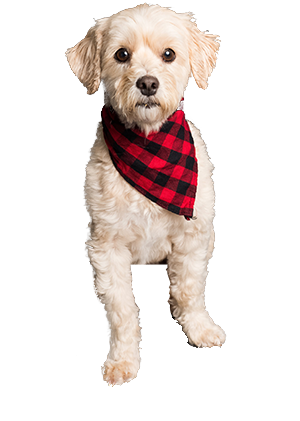

Bringing a new puppy home introduces immense joy along with a unique set of daily challenges. Between the ages of eight weeks and six months, a growing pup goes through an intense teething phase. Their twenty eight razor sharp milk teeth begin to fall out to make room for forty two permanent adult teeth.
This change causes persistent gum discomfort, swelling, and a strong urge to chew on anything within reach. Your furniture legs, expensive shoes, and bare fingers quickly become primary targets. To guide your pup safely through this stage, you must choose the right chewing outlet. If your puppy also has a delicate digestive system, our guide on Chews Treats for Dogs with Delicate Sensitive Stomachs, explains why authentic yak chews are generally well tolerated when introduced properly.
While an original yak chew is an exceptional choice for dogs, introducing it to a young puppy requires strict attention to their age and dental growth. Giving a hard treat too early can cause unexpected harm to a growing mouth. Understanding the timeline of your puppy’s oral development is the best way to keep them safe.

The Safe Age Window for Puppies
The absolute golden rule for introducing this treat is to wait until your puppy is at least four months old. Before this milestone, a puppy only has fragile temporary milk teeth.
Because an authentic original yak chew is incredibly dense and solid, letting a very young pup grind down on a hard bar can lead to painful problems. They can easily chip their thin enamel, lose teeth too early, or cut their sensitive gums.
Once your pup reaches the four month mark, their stronger adult molars begin to emerge. This change provides the structural stability they need to enjoy an original yak chew without hurting their mouth. Waiting for these adult teeth ensures a completely safe chewing experience.
Understanding the Puppy Teething Timeline
To see why the four month rule is so important, it helps to look at how a puppy’s mouth changes during their first year of life.
Weeks 2 to 4
Puppies are born completely toothless. During this early stage, they rely entirely on their mother’s milk. Their tiny jaws are soft, and their digestive systems are not ready for any solid food or treats.
Weeks 5 to 8
Their temporary baby teeth, also known as deciduous teeth, begin to push through the gums. These teeth are incredibly sharp, thin, and needle like. They are designed for learning how to chew soft kibble but lack deep roots. They cannot handle hard surfaces.
Months 3 to 4
This is the peak of the teething discomfort. The baby teeth begin to loosen and fall out as the adult teeth push from underneath. The gums become very red, inflamed, and sore. Your puppy will crave hard textures to numb the throbbing sensation in their jaw.
Months 5 to 6
By this time, most of the permanent adult teeth have successfully erupted. The jaw bone is hardening, and the roots of the teeth are firmly anchored. This is the ideal stage where an original yak chew becomes an invaluable tool to keep your dog occupied.
How to Safely Introduce an Original Yak Chew to Your Puppy?
When your pup reaches the correct age, you still want to take things slow. Follow this simple introduction method to keep your young dog safe and happy.

1.Soften the hard exterior:
3 to 5 minutes.
For a four month old pup, do not hand them a rock hard bar straight out of the wrapper. Submerge the original yak chew in a bowl of hot water for three to five minutes. This quick soak creates a softer outer layer so they can scrape away the cheese without putting too much stress on their new enamel.
2.Keep the first sessions short:
10 to 15 minutes.
Limit your puppy to just fifteen minutes of chew time for the first few days. Sit close to them and hold the original yak chew in your hand. This helps you monitor their chewing style and ensures they chew gently from the side rather than trying to snap it in half.
3.Watch for the leftover stub:
Immediate.
Keep a close eye on the size of the treat. When the original yak chew wears down to a small fragment, take it away immediately. A small cheese chunk is a major choking hazard if a greedy puppy tries to swallow it whole.
Turn the Leftover Piece into a Puppy Treat
Do not let that final small piece go to waste. You can easily turn that dangerous leftover stub into a completely safe snack.
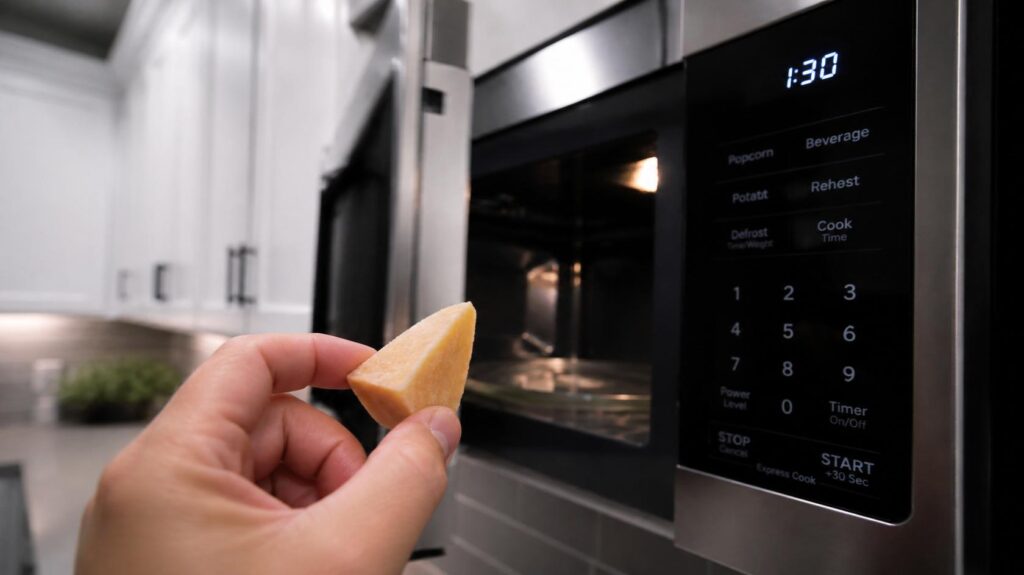
Take the small piece of the original yak chew and soak it in warm water for ten minutes. Drop it into your kitchen microwave for about forty five seconds. The intense heat causes the compressed cheese to bubble and expand into a large, airy puff.
Once the puff cools down completely, it becomes a light, crunchy cracker. Your puppy can easily crunch and digest this puffed treat without any choking risks. It is a fantastic way to ensure your original yak chew is fully utilized with zero waste. To know more, read our guide on how to microwave small piece of yak chew into light airy puffed chew.
Nutritional Benefits for Growing Dogs
An original yak chew does more than just save your furniture from destruction. It also provides vital nutrients that support your puppy’s rapid physical growth.
- High Quality Protein: Essential for building lean muscle mass and supporting healthy tissue development.
- Natural Calcium: Helps strengthen your puppy’s growing bones and ensures their permanent teeth develop properly.
- Low Fat Content: Keeps the treat lean, preventing unwanted weight gain or stress on the liver.
- Zinc and Magnesium: Supports a strong immune system and promotes a shiny, healthy fur coat.
Pro Tip: Always choose the right size for your dog. A larger original yak chew is always safer than one that is too small, as it forces the pup to chew slowly with their back teeth.
Pure Quality for Developing Stomachs
Puppies have highly sensitive digestive tracts that can easily be disrupted by modern chemical additives or heavy fillers. At Original Chews, our products are crafted by hand at 15,000 feet in the pristine pastures of Nepal, using raw, grass-fed dairy and zero chemical preservatives. Our 5-month smoke-curing process naturally breaks down the lactose sugars, resulting in a low-fat, high-protein treat that is exceptionally gentle on growing bellies.
Your young dog relies on you to make the safest choices for their health. By waiting until the four month mark and using the hot water softening trick, you can give your pup a healthy outlet for their teething discomfort. An original yak chew provides the perfect balance of long lasting fun, dental cleaning, and rich nutrition.
Frequently Asked Questions (FAQs)
1. What should I do if my puppy swallows a large piece of an original yak chew?
If your puppy manages to swallow a large chunk, monitor them closely for the next twenty four hours. Look for signs of distress such as vomiting, lethargy, or an inability to keep food down. If you notice any of these signs, contact your local veterinarian immediately as it could indicate an intestinal blockage.
2. Can the hard texture cause dental fractures in young puppies?
Yes, if given to a puppy who is under four months old, the extreme density can easily crack their delicate milk teeth. Always wait until their adult teeth begin to emerge, and use the hot water soaking method to soften the outer layer during their first few sessions.
3. How often can I let my puppy enjoy an original yak chew?
You can let your puppy enjoy the chew daily, but limit their active chewing sessions to about twenty minutes at a time. This prevents jaw fatigue and ensures their sensitive stomach does not get overwhelmed by too much protein at once.
4. Does an original yak chew cause gas or bloating in young pups?
Because our traditional curing process removes virtually all the lactose from the milk, these treats rarely cause gas or bloating. If your puppy does experience mild stomach upset, it is usually from chewing too long on their very first day.
5. Can I use the microwave puff trick for a puppy under four months?
Yes, the puffed cheese treat is completely safe for younger puppies. The microwaving process changes the rock hard texture into a light, crispy cracker that breaks apart instantly when chewed, making it safe for delicate baby teeth.